Cricket Ball Wedding Cake: Flavors, Fillings, and Design Guide
A cricket ball cake announces itself before anyone picks up a knife. The shape is unmistakable, the seam does the storytelling, and guests who have spent their Saturdays on a boundary edge get it immediately. Whether it is the main cake, a groom's cake, or a surprise second cake wheeled out after the speeches, a ball needs a baker who can build a sphere, colour icing properly and pipe a seam that reads as leather rather than decoration. Here is what to decide, roughly in the order it matters.
Start With the Sponge
Flavour decisions come before colour, because the sponge dictates how well the cake holds its shape. A sphere has no flat base and no straight edges to hide behind, so a soft, crumbly sponge will slump or shed crumbs as it is cut.
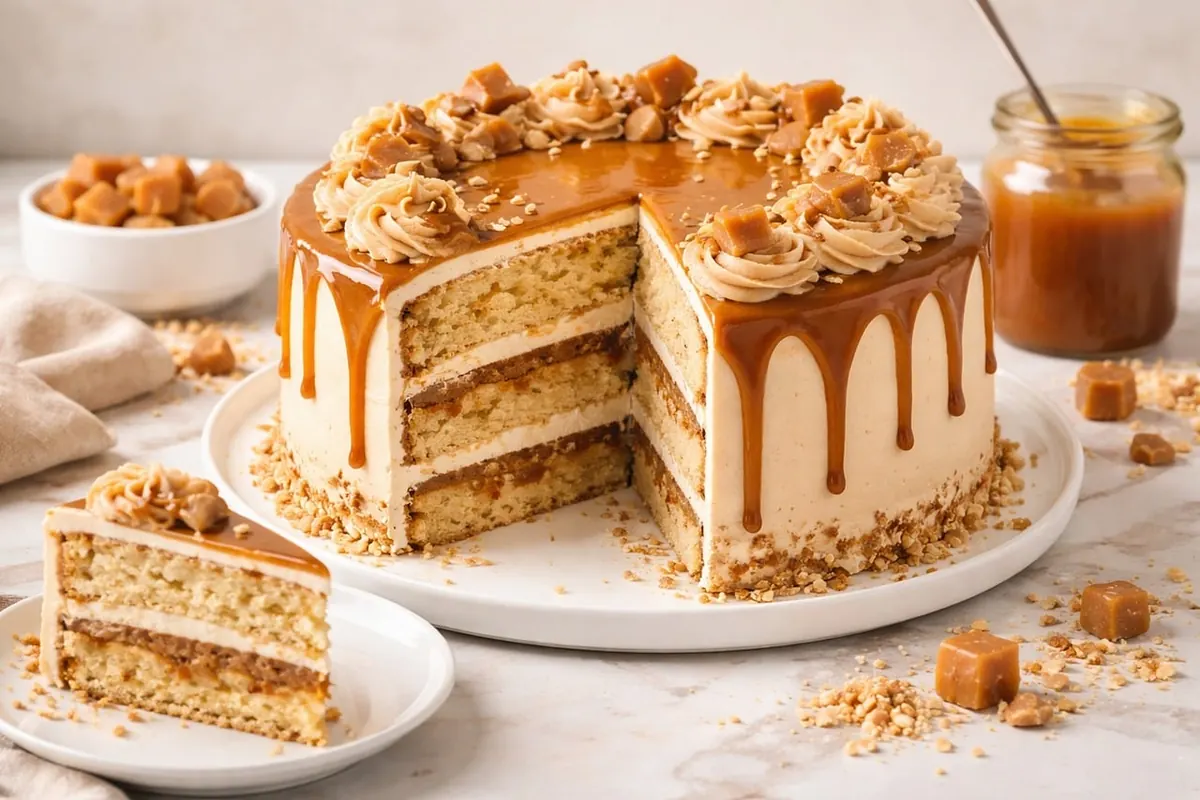
Vanilla Madeira is the workhorse. It is dense, slices cleanly and firms up under a layer of buttercream and fondant, which is why so many sculpted cakes start there. Chocolate mud cake is the other reliable choice, rich enough to feel like a proper wedding cake and forgiving of handling. Lemon, orange or almond sponges work beautifully in summer and pair well with a sharp curd or a light buttercream, though they need a little more support than Madeira.
Two options worth knowing about. First, red velvet inside a red icing can look flat and one-dimensional; if you love it, ask for a cream cheese or vanilla filling to break up the colour. Second, a ball is tinned in two halves and sandwiched, so you can genuinely run two flavours — vanilla on one side of the filling, chocolate on the other. Guests get a choice without you ordering two cakes.
Heavier sponges
Fruit cake, carrot cake and coffee sponge all work if your baker is used to carving. Fruit cake in particular is stable and travels well, but it is heavy, so it suits a single ball rather than a tall stack.
Fillings That Hold Their Shape
The filling has to do two jobs: taste good and keep the sphere round. An uneven layer spread thicker on one side will push the finished ball into an egg shape.
Salted caramel, chocolate ganache, coffee buttercream and vanilla buttercream are the safest bets. Swiss meringue buttercream is silkier and less sweet than the American style; the American version is sweeter but more stable in a warm room. Lemon, passionfruit and raspberry curds are delicious but soft, so ask your baker to pipe a ring of buttercream around the edge of each layer as a dam before adding the curd.
Keep fresh cream, fresh fruit and mousse fillings for cool, indoor venues with a short serving window. Nobody wants a warm marquee and a melting centre. If guests have allergies or dietary requirements, tell your baker at the enquiry stage, not the week before, and confirm how they handle allergens in the kitchen.
Red or White? The Icing Decision
Both are recognisable, and the choice usually comes down to colour palette and which version of the game you watch. The red ball belongs to daylight cricket, the white ball to one-day and floodlit matches, and the pink ball to day-night Test cricket. Any of the three works on a cake.
Red is the bolder, warmer option. Two warnings. Deep reds take a lot of food colouring, which can taste faintly bitter and will darken over the following day, so taste the icing in advance if you can. Red also transfers to lips, teeth, fingertips and napkins, and it can stain white linen. Warn your venue, and ask for dark napkins.
White is cleaner, photographs beautifully against a pale palette, and lets the seam carry the detail. Many couples go white with a black or red stitched seam, or pink for a softer look.
On finish: flat coloured fondant looks like plastic under close-up photography. Airbrushed or hand-painted colour, a light dusting of lustre and a slightly uneven tone all read as leather. Ask to see photographs of the baker's previous sculpted work in the same finish.
The Seam Is the Whole Cake
A cricket ball is two shaped halves stitched together around the middle, with six rows of thread sitting in a slightly recessed channel. That channel, not the colour, is what makes the shape read as a cricket ball rather than a red ball.
Ask how the seam will be made. Piped royal icing gives crisp raised lines; a rolled gumpaste cord scored with fine lines is subtler; modelling chocolate holds a sharp edge and takes colour well. Then look at the details:
- Curve. A gentle arc sits better than a perfectly straight line, and the ball should be positioned so the seam faces the camera rather than the back wall.
- Stitching. Fine, evenly spaced lines, usually six rows, pressed with a sugarcraft wheel or a pin. Consistency matters more than depth.
- Texture. A leather grain from a quilting tool or a lightly dabbed sponge, plus a soft sheen.
- Personality. A small monogram, wedding date or maker's stamp pressed into the leather looks considered without shouting.
Size, Servings and Structure
A real cricket ball is only about seven centimetres across, so a life-size cake is a single portion, best used as a topper above a cutting cake. Scale up for the main event.
- Small ball, three to four inches. One to four portions, ideal as a topper.
- Six-inch ball. Roughly the cake of two six-inch round tins. Expect about 18 to 22 finger slices or 12 to 14 generous dessert slices.
- Eight-inch ball. Comfortably double that, feeding a larger room with spares.
- A kitchen cutting cake. Order a plain sheet cake in the same flavours and let the kitchen slice it behind the scenes while the ball stays on display.
Structure is where sculpted cakes go wrong in transit. A full sphere is top-heavy, so ask about a hidden dowel through the centre, a flat board underneath and a base that stops it rolling. A ball resting on a board painted with crease lines, or nestled on a low stand, is far safer than a tall pedestal. Pay for delivery and on-site set-up if the baker offers it, especially if the seam is finished on the day.
Timeline, Transport and Questions to Ask
Bespoke sculpted cakes are usually booked eight to twelve weeks ahead, and longer in peak wedding months. Arrange a tasting, and ask for a small sample of the red icing specifically, since that is where flavour complaints tend to come from.
Before you confirm, get straight answers on delivery and set-up, whether the finish is fondant or ganache, how the cake should be stored overnight, and how long it needs out of the fridge before cutting. Fondant sweats as it warms, so a cake pulled from a cold fridge and cut immediately will look damp.
On the day, keep the ball out of direct sun, transport it flat on a non-slip mat, and cut from the back if it is purely decorative. Then eat it. A cricket ball cake is a joke that only works properly when somebody finally takes a slice out of the seam.
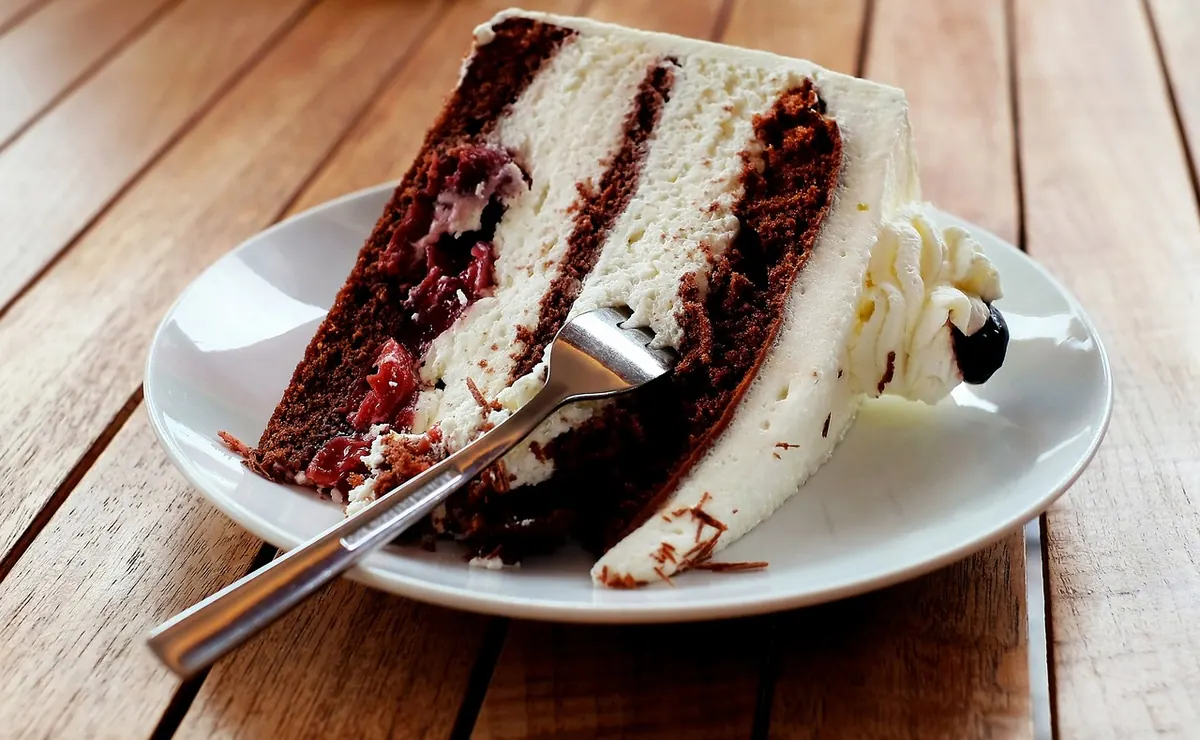
Photo: Couleur / Pixabay