Cricket Ticket Wedding Invitations: How to Design a Match-Day Style Suite
A cricket wedding invitation shaped like a match ticket does three jobs at once. It sets the tone, it gives guests something worth keeping, and it turns the dullest part of wedding admin — collecting RSVPs — into a stub they actually enjoy tearing off and posting back. The format works because cricket already has its own visual grammar: fixtures, gates, stands, seat numbers, start times, intervals. Borrow those conventions and you have a design system, not just a theme. Here is how to build a suite from scratch.
Why the Ticket Format Fits a Cricket Wedding
Most wedding invitations fail because they try to carry everything in one card. Ceremony details, reception timings, dress code, directions, dietary requests — it all ends up crammed into a wall of text. A ticket suite splits that load naturally. The main ticket carries the headline information, the reverse holds the logistics, and the stub collects the reply. Each part has a clear job, which means guests read it in the right order and miss less.
Decide the Shape of Your Fixture First
Before you open a design tool, decide what kind of match you are staging. A Test match label suits a long weekend wedding with several events. A T20 suits a short, sharp party. A day-night fixture is a neat way to describe a ceremony that rolls into an evening reception. Once you have that, map your real details onto cricket equivalents:
- Fixture: your names, presented as the main event — "The Marriage of Aisha & Tom"
- Ground: the ceremony venue, with the reception venue listed as the second innings
- First ball: your ceremony start time, with a note asking guests to arrive thirty minutes earlier
- Interval: the drinks reception or tea, with a start time
- Dress code: something readable — "Whites encouraged," or "Smart casual, no pads required"
Keep the metaphors to four or five. If a guest has to decode the invitation to find out where to park, the theme has gone too far.
Panel by Panel: Building the Suite
The front panel
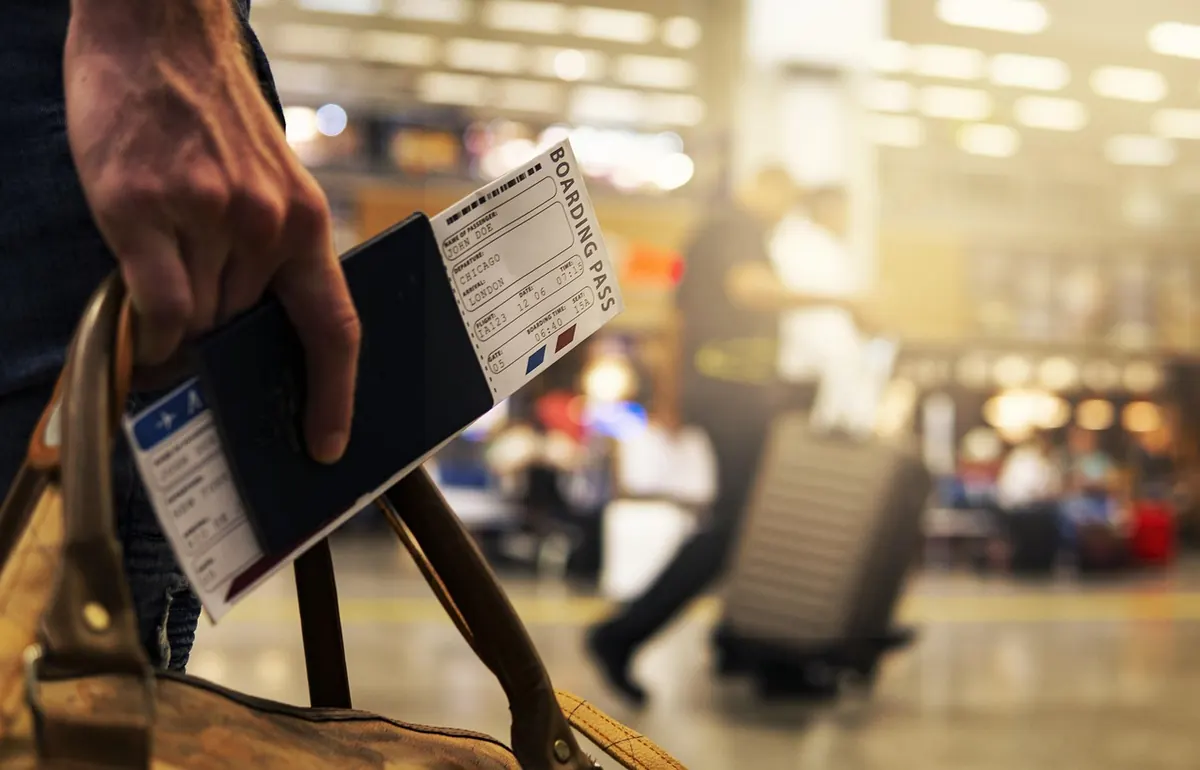
Treat the front like a real ticket. A small line at the top names the presenter — "Cricket Wedding presents" works, or your families' names. Below that, the fixture, the ground, the date and the start time. Add a plain barcode-style strip or a row of stumps down one edge. For type, pair a bold sans-serif for the details with a script or serif for the names. That contrast is what makes ticketing look like ticketing. Leave white space; crowded tickets read as flyers.
The reverse or inside spread
This is where logistics live. Two columns work well: one for the order of play, listing each timing in sequence, and one for practical notes — parking, transport, the wet-weather plan, whether children are invited. If you are printing double-sided, keep body text at 9pt or larger. Smaller than that and half your guest list will be holding it at arm's length.
The tear-off RSVP stub
The stub is the whole point. Make it perforated so it tears cleanly, and size it generously — around 90mm tall gives people room to write. It should collect:
- A name line for each guest in the party
- Tick boxes for "Attending" and "Can't make it"
- Number attending, including children
- Dietary requirements and allergies
- A song request, if you want one
- The RSVP deadline and a return address, or a QR code linking to an online form
Print the RSVP date on the main ticket as well, not only on the stub. Stubs get separated from tickets and then sit in coat pockets for a fortnight.
Match-Day Wording That Lands
The trick is to be playful in the headlines and completely precise in the details. Vague whimsy on a ticket is irritating; clarity is charming. Lines that work well include:
"First ball 2:30pm. Please arrive by 2:00pm to take your seat."
Other reliable options: "Rain or shine — the pavilion has a roof." "Tea and drinks interval at 4pm." "Play resumes at 6pm." "Please keep your ticket as a keepsake." Avoid stacking puns on every line. "Please select a main course" is clearer than "Choose your innings," and it will get answered more often.
Seat Numbers and the Small Details
Seat numbers are a lovely touch, but only if they mean something. If you have a seating plan, print the table and seat on the stub — never on the outer envelope, which postal workers will see. If seating is free, write "General Admission — Standing Terrace" instead of inventing numbers that lead nowhere. Gate references can point to real entrances: "Enter via Gate C, Church Lane." Close family can be labelled "Members." A short line clarifying that this is an invitation and not an actual entry ticket saves confusion if you use anything barcode-like.
Paper, Perforation and Printing Practicalities
- Choose card stock around 300–350gsm. Thinner stock tears raggedly along a perforation.
- Ask for perforation, not scoring. Scoring is for folding; perforation is for tearing. Request a test sheet before the full run.
- Perforate along the short edge so the stub comes away in one motion.
- Number each ticket by hand or stamp — "No. 014" in a corner turns a keepsake into a collectible.
- Print one at home first, tear it, and check every line is readable at arm's length.
Check postage rates before you commit to an unusual size or a heavyweight card. Standard sizing keeps costs and delays down, and it is worth confirming with your postal service rather than guessing.
Sending Them Out and Tracking Replies
Number each ticket against your guest list so you know exactly who has replied. A simple spreadsheet with columns for guest name, ticket number, stub returned, number attending and dietary notes will serve you far better than a pile of paper on the kitchen table. Send the physical ticket early and set your RSVP deadline at least four weeks before the venue needs final numbers.
If you are sending digital versions, keep the tear-off idea as a form field rather than a PDF attachment nobody opens, and still post a printed ticket to older guests. Print a handful of blanks for late additions — there are always a few. Finally, check with your venue and officiant for any wording they require on invitations, and let their rules take priority over the theme. The cricket touches should sit around the essential information, never on top of it.
Photo: JoshuaWoroniecki / Pixabay